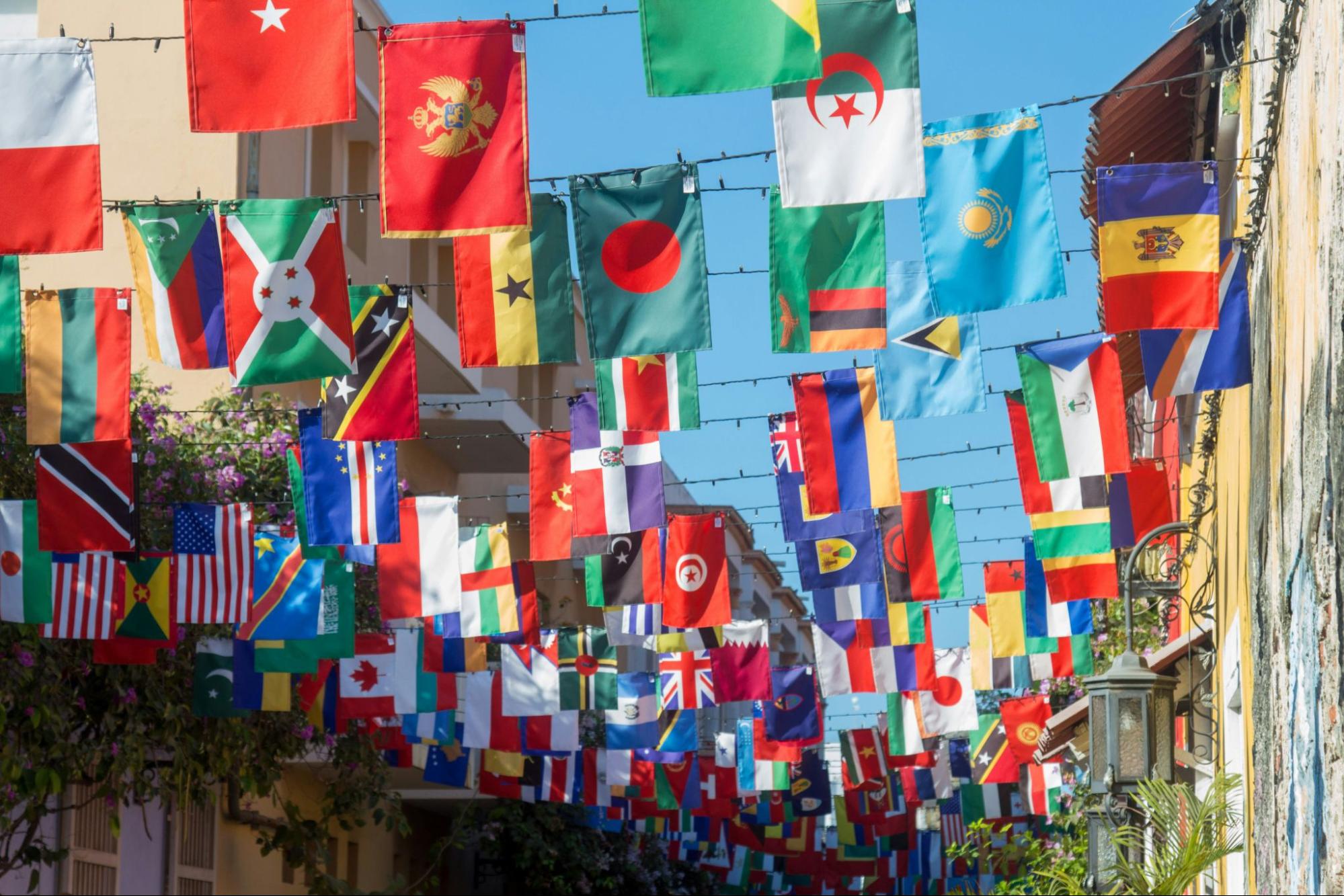
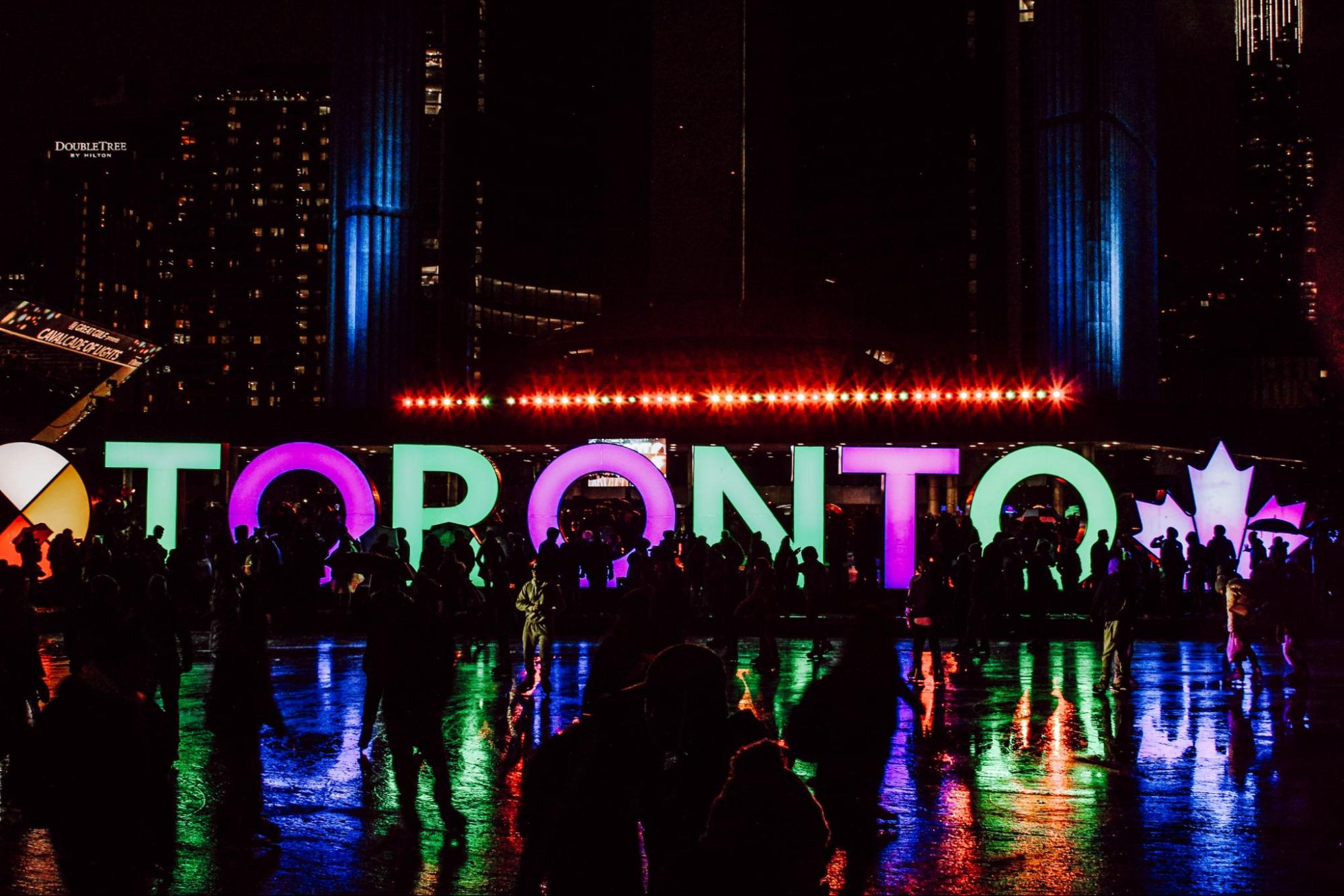
When visiting most major global cities, from Toronto, Lagos, London, Dubai, to Singapore, you will sense an unmistakable energy driven primarily by diaspora populations: people who carry more than one home, one cultural lens, and one worldview within them. Their communities are often among the most undervalued accelerators of economic growth, diplomacy, and innovation. For far too long, diasporas have been viewed primarily through sentimental narratives of heritage festivals, remittances, and nostalgia.
However, beneath those surface stories, diasporas are a powerful engine reshaping global development and redefining what leadership looks like in the 21st century. In a world marked by cultural divides and geopolitical tension, they emerge as one of humanity’s most strategic assets. Their power lies in their role as connectors, helping to bridge cultures, mobilise capital, and strengthen capacity across borders globally.
One of the greatest strengths of diaspora communities is their cultural fluency. They can navigate multiple value systems not because they studied them, but because they live them. This gives them an intuitive ability to translate meaning between societies that often misunderstand one another. In global business, in diplomacy, and in communities undergoing rapid change, this level of cultural intelligence is a form of strategic leadership. Diaspora individuals can decode local nuance while also understanding global expectations. They know how to interpret silence in one culture and directness in another, making them natural mediators, especially at a time when miscommunication has become one of the world’s most persistent barriers to progress.
Where culture flows, capital naturally tends to follow. Diaspora investment has become one of the most dynamic forms of global capital movement, fueling business growth, entrepreneurship, and economic transformation. Traditional investors have often relied solely on market data or external consultants, but diaspora investors consider their experience and community trust, and usually see opportunity where others see risk. This is because they understand the cultural context behind the data, and their motivations go beyond short-term profit. They are more inclined to be driven by a sense of belonging and a desire to give back and uplift communities at both ends of their migration journey. This dual-rooted perspective creates a powerful form of capital that circulates between continents, strengthening supply chains, startups, and industries that might otherwise struggle to attract investment.
What makes diaspora capital especially transformative is the knowledge they bring. Beyond financial resources, diasporas are skilled at transferring ideas, expertise, and global best practices. We are now seeing a wave of professionals from across Africa, Asia, Latin America, the Caribbean, and Eastern Europe returning home, not always permanently but strategically. They return to mentor entrepreneurs, support local innovation ecosystems, and strengthen institutions by bringing the skills they’ve gained abroad. This circular migration of talent fuels capacity building that can transform entire sectors, offering collaboration rooted in shared identity and long-term vision.
In many ways, diasporas represent the future of leadership. As borders become more symbolic than structural and globalisation reshapes identity, the ability to navigate complexity across cultures becomes invaluable. Diaspora communities sit at this intersection, offering a blueprint for a new kind of global leader, one who can understand multiple cultures, help build trust across differences, and see opportunity in diversity rather than friction. They can expand the awareness of what nations and organizations can become and transform borders from barriers to gateways. Countries and organisations that choose to embrace the potential of diasporas will have a competitive advantage. By investing in diaspora populations through entrepreneurship, elevating their voices in policymaking, and creating platforms that link talent with local opportunities, they will unlock innovation and influence.
The power that diasporas bring is profoundly human, built on stories of people who have crossed continents, rebuilt identities, and learned to adapt without losing themselves. Their stories have shaped industries, inspired movements, and influenced the way the world thinks about migration and belonging. They also challenge old definitions of nationhood and introduce a more fluid, inclusive understanding of who gets to participate and shape the future.
As we navigate an era defined by uncertainty, migration, and interconnectedness, the world needs bridge builders more than ever. We require leaders who can understand nuance, move between cultures with empathy, and build connections that span not just countries but continents. Diasporas embody this potential, and their journeys offer invaluable lessons in resilience, innovation, and perspective for governments, businesses, and communities.
Harnessing the power of diasporas requires intention, policies that welcome diasporic investment, programs that enable cultural exchange, and platforms that allow talent to circulate freely. Most of all, it requires shifting the narrative from viewing diaspora groups as external communities to recognizing them as integral to both internal and global progress.
The inspiration and knowledge that diasporas bring are greater than any one nation or culture, yet they begin with individuals whose identities cross borders. Their contributions: economic, cultural, and intellectual, are shaping this century in profound ways, and when we choose to harness their power with clarity and vision, we can build bridges between continents. Their influence is a strong reminder that most significant advantages emerge when we connect rather than divide, collaborate rather than isolate, and draw strength from the diversity of our identities and experiences.