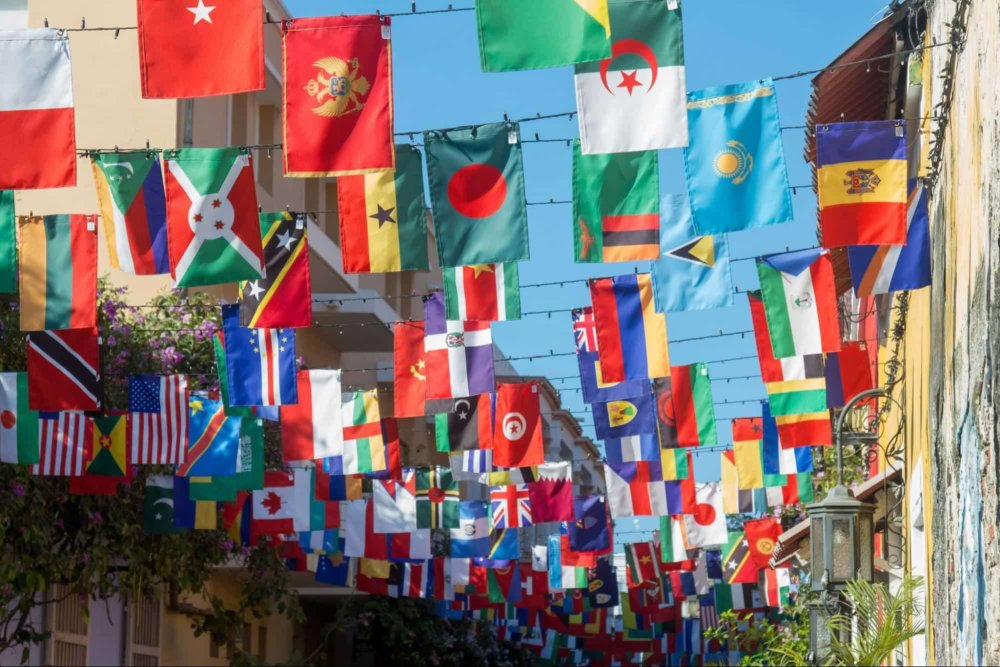
Today, harnessing cultural capital is a strategic imperative for innovation, as organizations and leaders recognize the power of diverse perspectives working to drive growth and resilience in the global economy. Innovation is now rarely shaped by a single individual, but rather by the collective strength of diverse perspectives, offering a mosaic of insights gathered from different cultures, lived experiences, and ways of seeing the world. As organizations, entrepreneurs, and leaders navigate an increasingly borderless economy, the ability to harness cultural capital has become a powerful driver of innovation, resilience, and long-term growth.
This idea has been foundational for me and lies at the heart of my book Between Borders, Beyond Boundaries. Cultural authenticity is not a barrier but a strategic asset, as reflected in my view of innovation. The leaders and businesses that will define the future are those who understand that diversity is not simply the presence of difference, but the ability to embed, interpret, and act on that difference with purpose.
Cultural Capital Is the New Competitive Advantage
Innovation has always been human work. It emerges from how we understand problems, challenge assumptions, and imagine alternative possibilities. When teams share identical backgrounds or worldviews, they limit themselves to a narrow spectrum of interpretations. They may act quickly, but they often miss what they cannot see.
Cultural capital widens that aperture. When people from different cultures collaborate, they bring with them unique ideas and distinct approaches to decision-making, negotiation, creativity, and problem-solving. This diversity of thought is not only beneficial but essential in an increasingly global marketplace, where customers, partners, and competitors spancontinents.
Connecting Cultural Capital to the EIA Framework
In my book, Between Borders, Beyond Boundaries, I introduce the EIA Method, Embed, Interpret, Act, a framework that helps leaders navigate new markets and cultures with intention, empowering them to lead confidently across borders. Cultural capital is the foundation that makes this model so effective.
When leaders embed themselves in a local context, they begin to absorb the cultural cues, nuances and shared histories that shape how people think and act. When they interpret these insights, they uncover the deeper “why” that lies behind behaviours. Then they can act based on this understanding and make decisions that resonate authentically because they now understand the culture from within.
Cultural capital accelerates at each step of the EIA process, ensuring organisations operate globally with cultural fluency, sensitivity, and intelligence. It transforms cross-cultural understanding from passive awareness into an active strategic capability. When leaders deliberately leverage cultural capital, they can make decisions that resonate authentically across markets and communities, and their actions become more effective, meaningful and sustainable.
Canada as a Living Example of Cultural Innovation
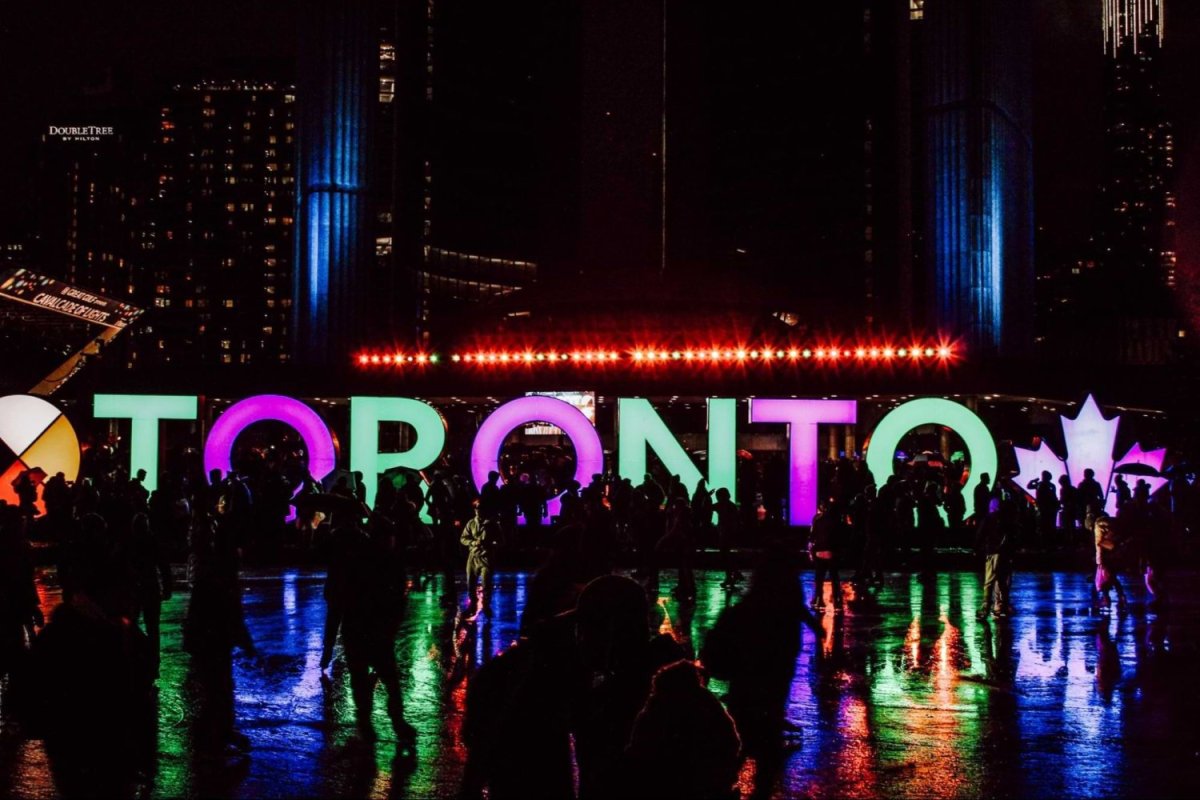
In Canada, and particularly in cities like Toronto, Vancouver, and Montreal, cultural capital demonstrates its practical power every day. Our social fabric is woven from hundreds of diasporas, including Chinese-Canadians, Indian-Canadians, Italian-Canadians, and Nigerian-Canadians, among others, inspiring leaders to view societies as vibrant cross-cultural ecosystems. Canada is an excellent living case study of my book’s central argument: multicultural societies are innovation ecosystems.
Newcomers bring with them global perspectives, international networks, lived adaptability, and an instinct for navigating cultural differences. Their ability to think across borders, often because they have lived in various parts of the world, mirrors the mindset that global leaders require today. This makes Canada not only diverse but also uniquely equipped to model what future-ready innovation looks like.
Diaspora Leadership and the Power of the “In-Between”
Some of the most effective innovators and founders I have encountered are people who live between cultures. They are immigrants, third culture individuals, and diaspora leaders. The very experiences that once made them feel disconnected now give them a competitive advantage in business.
They understand how to interpret nuance, reconcile conflicting expectations, and bridge communication gaps. They move fluidly between identities and markets, showing that embracing cultural complexity can unlock new pathways to growth and global influence, inspiring leaders to see beyond boundaries. They understand that context is not a constraint but a guide, and their ability to operate beyond boundaries reflects my book’s core message: when leaders embrace their cultural complexity, they unlock new pathways to growth.
These individuals do not simply build businesses; they build globally conscious ecosystems. They design products that resonate across multiple markets, lead teams that think expansively, and innovate in ways that honour both local relevance and global possibility.
Cultural Capital as a Blueprint for Future Leadership
The future will not belong to organisations that cling to sameness or generalised perspectives. It will belong to those who have diverse perspectives and understanding of the world by integrating various cultural knowledge into a unified, purposeful vision, and cultural capital enables this by transforming diversity from a demographic fact into a strategic capability.
This aligns directly with my philosophy behind Between Borders, Beyond Boundaries:
That leadership in the modern world demands cultural authenticity, systems awareness, and the humility to learn from perspectives beyond your own.
When cultural capital is embraced intentionally, organizations become more innovative, more resilient, and more aligned with the global communities they serve. They move from performative inclusion to purposeful integration, and they stop asking how people fit into their existing systems and instead begin redesigning systems that reflect the richness of who their people are. And in doing so, they don’t just adapt to a changing world, but they help shape it.
The Path Forward
As global complexities increase, cultural agility and cross-cultural intelligence will define the next generation of leaders. Cultural capital will fuel this evolution by deepening understanding, strengthening decision-making, and expanding the possibilities of what businesses and societies can achieve through cross-cultural cohesion. Innovation thrives between borders, leadership grows beyond boundaries, and the future belongs to those who dare to weave their whole cultural selves into everything they build.